
Quality Advisor
QUALITY EVENTS
Sep. 10, 2026
Caring for Wisconsin’s Caregivers: 2026 WHA Healthcare Workforce Well-Being SummitSep. 21, 2026
Wisconsin Rural Health and Substance Use Clinical Support (RHeSUS) Program: Lunch and Learn Series OfferingsOct. 15, 2026
Substance Use Disorders Management Boot CampClick here to view quality event calendar
QUALITY IMPROVEMENT TEAM
Nadine Allen
Chief Quality OfficerMarcia Egle
Administrative AssistantKelli Evenson
Administrative AssistantStacy Kopp
Clinical Quality Improvement ManagerJenny Pritchett
Clinical Quality Improvement ManagerCasey Zimpel
Clinical Quality Improvement ManagerJill Lindwall
Quality DirectorSubscribe to The Quality Advisor
News from the CQO's Desk
Wisconsin Quality Residency Program 2025-2026 Graduates
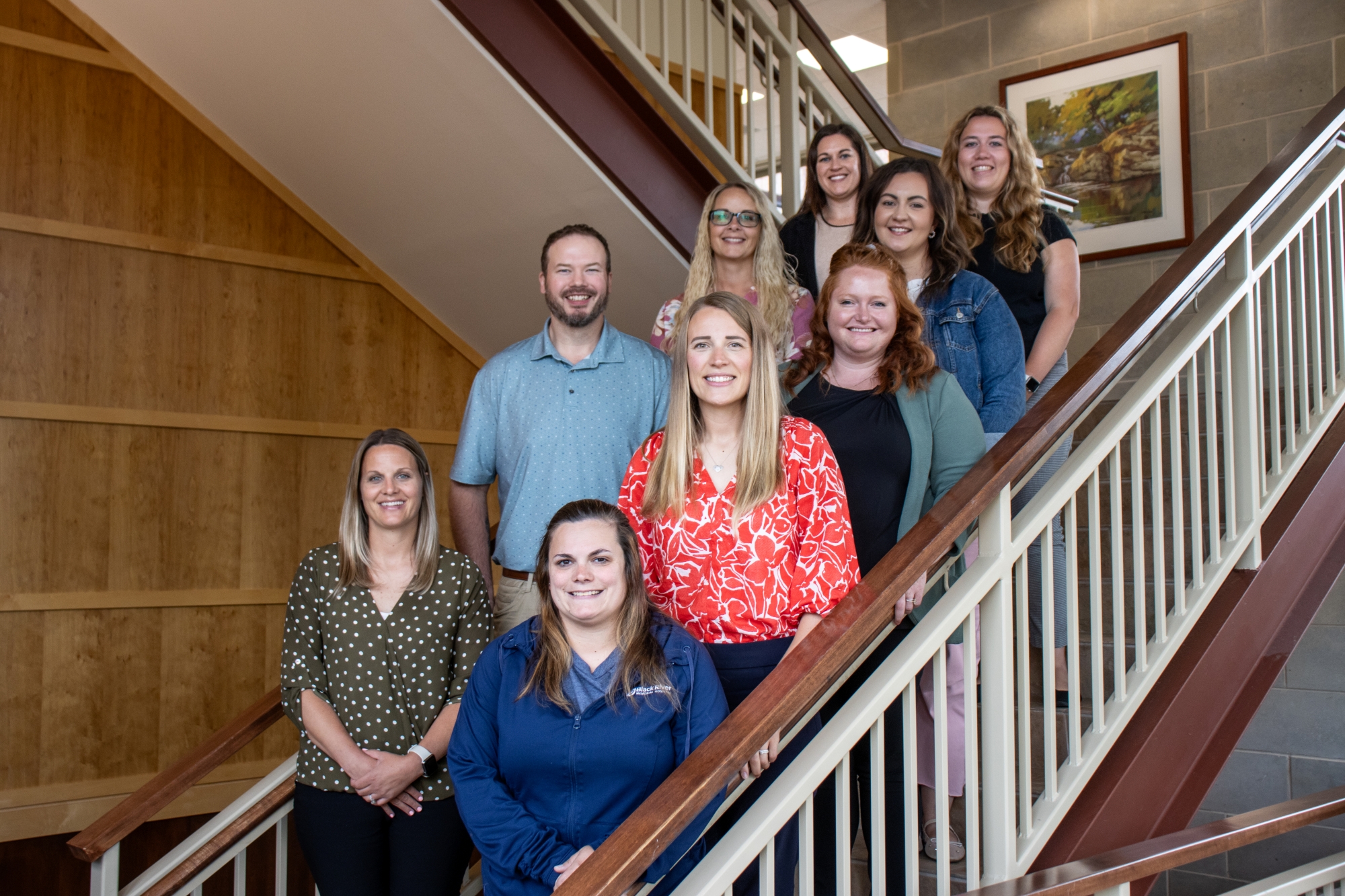 Quality improvement specialists from 10 Wisconsin hospitals were recognized today for completing the 10-month Wisconsin Quality Residency Program. Transitioning into a new role as a health care quality leader involves mastering numerous core concepts and leadership essentials and this program, specifically designed for new quality leaders with limited experience in quality improvement and patient safety in a hospital setting, offers a comprehensive curriculum taught by field experts and veteran quality professionals, ensuring practical, real world application.
Participants focused on a different topic each month, including regulatory and accreditation requirements, basic risk management skills, state and federal hospital compliance, quality data reporting methods and effective quality improvement techniques. Established through a collaboration between the Wisconsin Hospital Association (WHA) and the Rural Wisconsin Health Cooperative (RWHC) and sponsored in part by the Wisconsin Office of Rural Health (WORH), the program aims to equip new leaders with the necessary skills and knowledge to excel in their roles. Since its launch in 2014, the program has produced 200 graduates specializing in quality improvement.
Congratulations to the 2025-2026 Quality Residency program graduates:
- Shannon Cathman - Upland Hills Health
- KaeLee Dahl - Edgerton Hospital and Health Services
- Heather Frank - Reedsburg Area Medical Center
- Miranda Johnson - Black River Health
- Annie Ness - Tomah Health
- Cassandra Peak - The Richland Hospital & Clinics
- Cassie Schmidt - Midwest Orthopedic Specialty Hospital
- Alexa Schurtz - Western Wisconsin Health
- Nick Swartout - Beloit Health System
- Emily Tachon - UW School of Medicine and Public Health
The next cohort of the Wisconsin Quality Residency Program begins September 9. See the WHA Quality Residency webpage for registration information.
Complimentary Training Program
Agency for Healthcare Research and Quality (AHRQ) Offers Safety Program for Ventilator-Associated Pneumonia/Ventilator-Associated Events
- Free 9-month program
- Receive CEU/CME credits
- Join an informational webinar in June, July or August and learn if your hospital is eligible
- Program begins in September
See flyer for more information and program website for informational webinar dates and times..
WHA Comments on Proposed Centers for Medicare and Medicaid Services (CMS) 2027 Inpatient Rule
WHA commented last week on the proposed changes to inpatient quality programs governed by CMS, offering support for CMS’s continued shift toward outcome-based measurement and digital quality reporting, which reduces the burden of manual chart abstraction, and affords more timely, two-year performance periods. However, WHA emphasized that these changes must be implemented in a prospective and phased manner that provides hospitals a clear opportunity to understand new requirements, validate data and improve performance before measures are tied to payment. WHA expressed concerns that applying significant changes (such as adding Medicare Advantage (MA) patients or revising specifications to performance periods that are already underway) creates an unfair and non-actionable environment and risks misrepresenting hospital performance. While many hospitals have made significant progress in building electronic clinical quality measure (eCQM) infrastructure, these measures still require ongoing investment in IT systems, workflow design, data mapping and annual updates. As CMS expands required measures, such as hospital harm eCQMs and others, WHA strongly encouraged the agency to carefully consider cumulative reporting demands, alignment across programs and the need for adequate lead time and clear guidance.
For the Inpatient Quality Reporting (IQR) Program, WHA acknowledged the value of new outcome measures but raised concerns about growing measure burden and overlap. For example, the proposed Diabetes Excess Days in Acute Care (EDAC) measure adds another layer of accountability for post-discharge outcomes that are often influenced by factors beyond hospital control, while also overlapping conceptually with existing readmissions metrics. Similarly, as CMS expands hospital harm and other eCQMs, hospitals are managing increasing complexity from maintaining both claims-based and EHR-based measures, often with duplicative or misaligned priorities. WHA urged CMS to streamline measures, reduce redundancy and focus on the measures that provide the greatest value, while ensuring new measures are feasible and sufficiently vetted before adoption.
Finally, WHA expressed concern with broader proposals that expand accountability without sufficient readiness or control, including: the addition of MA patients across multiple programs, changes to mortality and EDAC measures that would be applied retroactively and the proposed nationwide expansion of the CJR-X bundled payment model. These changes represent significant shifts in patient populations, financial risk and operational expectations, particularly for rural and critical access hospitals. WHA recommended a phased or voluntary approach for major policy changes and stressed the importance of separating measure redesign from immediate payment consequences.
2026 Global Vision Community Partnership Award
Honor one of your hospital’s community health projects by submitting a nomination for a 2026 Global Vision Community Partnership Award.
The goal of this competitive grant award is to provide recognition, financial support and public awareness of a community health initiative or project, created in partnership with a WHA member hospital, that successfully addresses a documented community health need. Partnerships must reach across the community or population served and the program must be an active, ongoing enterprise at the time of the nomination.
Nominations are due by August 14, 2026. Complete information on the award, including the criteria and nomination form, can be found here.
For more information about the 2026 Global Vision Community Partnership Award, please contact WHA Foundation Executive Director and WHA Vice President of Education and Corporate Partnerships, Leigh Ann Larson.
Caring for Wisconsin's Caregivers
Wisconsin Rural Health Conference
A Panel on Advancing Health Workforce Well-Being Across Hospital Settings
(reduced2).png) Dr. Michael Stadler, Advancing a Healthier Wisconsin Endowment (AHW), Dr. Wendy Ledesma, Sauk Prairie Health, Nadine Allen, WHA, Sue Anderson and Dr. Heather Schmidt of SSM Health, Shawn Lerch, Sauk Prairie Health and Dr. Stefanie Simmons of Dr. Lorna Breen Heroes' Foundation
Dr. Michael Stadler, Advancing a Healthier Wisconsin Endowment (AHW), Dr. Wendy Ledesma, Sauk Prairie Health, Nadine Allen, WHA, Sue Anderson and Dr. Heather Schmidt of SSM Health, Shawn Lerch, Sauk Prairie Health and Dr. Stefanie Simmons of Dr. Lorna Breen Heroes' Foundation
As one of the breakout sessions at this year's Wisconsin Rural Health Conference, a panel on “Caring for Wisconsin’s Caregivers” emphasized that high reliability in health care is built on cultures that actively support caregiver well-being, recognizing it as a foundational driver of patient safety, workforce stability and organizational performance. Dr. Mike Stadler, Health Workforce Well-being Landmark Initiative Champion at the Advancing a Healthier Wisconsin Endowment (AHW), and Nadine Allen, Chief Quality Officer at the Wisconsin Hospital Association (WHA), opened the session by introducing the landmark initiative designed and funded by AHW, noting that WHA and the Dr. Lorna Breen Heroes' Foundation were selected as key partners to lead this work across Wisconsin.
(reduced)2.png) Dr. Stefanie Simmons moderates Caring for Wisconsin's Caregivers panel - L to R: Shawn Lerch, Dr. Wendy Ledesma, Sue Anderson and Dr. Heather SchmidtThe discussion was moderated by Dr. Stefanie Simmons of the Dr. Lorna Breen Heroes' Foundation, who guided a thoughtful conversation across diverse perspectives. Panelists grounded the discussion in personal experiences that illustrated how culture is ultimately defined by how organizations support their caregivers, with burnout and inefficiencies directly impacting both care delivery and team effectiveness. This shared “personal why” reinforced that investing in caregiver well-being is central to shaping organizational culture and long-term sustainability. Shawn Lerch, CEO at Sauk Prairie Health, described how their commitment to personalized care extends beyond patients to caregivers, embedding well-being into daily operations and leadership strategy. Dr. Wendy Ledesma, Sauk Prairie Health, highlighted the importance of transparent dialogue between clinicians and executives, underscoring that lasting change begins with clearly articulated frontline “asks” and evolves through tailored, organization specific solutions.
Dr. Stefanie Simmons moderates Caring for Wisconsin's Caregivers panel - L to R: Shawn Lerch, Dr. Wendy Ledesma, Sue Anderson and Dr. Heather SchmidtThe discussion was moderated by Dr. Stefanie Simmons of the Dr. Lorna Breen Heroes' Foundation, who guided a thoughtful conversation across diverse perspectives. Panelists grounded the discussion in personal experiences that illustrated how culture is ultimately defined by how organizations support their caregivers, with burnout and inefficiencies directly impacting both care delivery and team effectiveness. This shared “personal why” reinforced that investing in caregiver well-being is central to shaping organizational culture and long-term sustainability. Shawn Lerch, CEO at Sauk Prairie Health, described how their commitment to personalized care extends beyond patients to caregivers, embedding well-being into daily operations and leadership strategy. Dr. Wendy Ledesma, Sauk Prairie Health, highlighted the importance of transparent dialogue between clinicians and executives, underscoring that lasting change begins with clearly articulated frontline “asks” and evolves through tailored, organization specific solutions.
From a systems perspective, Sue Anderson, SSM Health Wisconsin Regional President, reinforced that well-being must be approached with the same discipline as quality and safety, integrating it into core organizational frameworks, measurement and accountability structures. Viewing caregiver well-being through this lens ensures it remains central to how culture is built, sustained and measured across the organization. Dr. Heather Schmidt, SSM Health, and Anderson also explored the complexities of scaling these efforts across large health systems, where aligning system wide priorities with local implementation requires both flexibility and trust. They emphasized that strong bidirectional communication is essential to ensuring frontline experiences shape broader strategy while maintaining consistency in values. Across all perspectives, panelists expressed optimism about the Caring for Wisconsin’s Caregivers initiative, highlighting the learning collaborative as an opportunity to strengthen a culture rooted in caregiver well-being, accelerate shared solutions, foster innovation and build a more sustainable health workforce across the state.
Superior Health Quality Alliance
(reduced).png) Jenny Pritchett, Casey Zimpel and Stacy Kopp attend Wisconsin Rural Health Conference, and share Superior Health's work on CMS' 13SOWExciting Update: CMS 13th Scope of Work (SOW) Enrollment Extended
Jenny Pritchett, Casey Zimpel and Stacy Kopp attend Wisconsin Rural Health Conference, and share Superior Health's work on CMS' 13SOWExciting Update: CMS 13th Scope of Work (SOW) Enrollment Extended
Superior Health Quality Alliance (Superior Health) is pleased to share that the Centers for Medicare & Medicaid Services (CMS) has officially extended the enrollment deadline for the 13th Statement of Work (SOW). This means enrollment is reopened for a limited time for hospitals to partner with Superior Health.
This extension provides a valuable opportunity for hospitals that have not yet enrolled to participate in this important initiative focused on improving quality, safety and outcomes across care settings.
Enrollment is time-sensitive and we encourage interested hospitals to take advantage of this extended opportunity to collaborate with Superior Health and access these valuable resources.
If you are ready to enroll, please use this enrollment link to begin the process. Please contact Casey Zimpel with enrollment questions or for more information.
WHA is a member of the Superior Health Quality Alliance (Superior Health), an eight-partner organization focused on improving care for Medicare beneficiaries. They collaborate with patients, clinicians, healthcare organizations and communities across Illinois, Indiana, Michigan, Minnesota, Ohio and Wisconsin to support the Centers for Medicare & Medicaid Services’ (CMS) quality improvement objectives.
News from the CQO's Desk
Wisconsin Quality Residency Program 2025-2026 Graduates
Quality improvement specialists from 10 Wisconsin hospitals were recognized today for completing the 10-month Wisconsin Quality Residency Program. Transitioning into a new role as a health care quality leader involves mastering numerous core concepts and leadership essentials and this program, specifically designed for new quality leaders with limited experience in quality improvement and patient safety in a hospital setting, offers a comprehensive curriculum taught by field experts and veteran quality professionals, ensuring practical, real world application.
Participants focused on a different topic each month, including regulatory and accreditation requirements, basic risk management skills, state and federal hospital compliance, quality data reporting methods and effective quality improvement techniques. Established through a collaboration between the Wisconsin Hospital Association (WHA) and the Rural Wisconsin Health Cooperative (RWHC) and sponsored in part by the Wisconsin Office of Rural Health (WORH), the program aims to equip new leaders with the necessary skills and knowledge to excel in their roles. Since its launch in 2014, the program has produced 200 graduates specializing in quality improvement.
Congratulations to the 2025-2026 Quality Residency program graduates:
- Shannon Cathman - Upland Hills Health
- KaeLee Dahl - Edgerton Hospital and Health Services
- Heather Frank - Reedsburg Area Medical Center
- Miranda Johnson - Black River Health
- Annie Ness - Tomah Health
- Cassandra Peak - The Richland Hospital & Clinics
- Cassie Schmidt - Midwest Orthopedic Specialty Hospital
- Alexa Schurtz - Western Wisconsin Health
- Nick Swartout - Beloit Health System
- Emily Tachon - UW School of Medicine and Public Health
The next cohort of the Wisconsin Quality Residency Program begins September 9. See the WHA Quality Residency webpage for registration information.
Complimentary Training Program
Agency for Healthcare Research and Quality (AHRQ) Offers Safety Program for Ventilator-Associated Pneumonia/Ventilator-Associated Events
- Free 9-month program
- Receive CEU/CME credits
- Join an informational webinar in June, July or August and learn if your hospital is eligible
- Program begins in September
See flyer for more information and program website for informational webinar dates and times..
WHA Comments on Proposed Centers for Medicare and Medicaid Services (CMS) 2027 Inpatient Rule
WHA commented last week on the proposed changes to inpatient quality programs governed by CMS, offering support for CMS’s continued shift toward outcome-based measurement and digital quality reporting, which reduces the burden of manual chart abstraction, and affords more timely, two-year performance periods. However, WHA emphasized that these changes must be implemented in a prospective and phased manner that provides hospitals a clear opportunity to understand new requirements, validate data and improve performance before measures are tied to payment. WHA expressed concerns that applying significant changes (such as adding Medicare Advantage (MA) patients or revising specifications to performance periods that are already underway) creates an unfair and non-actionable environment and risks misrepresenting hospital performance. While many hospitals have made significant progress in building electronic clinical quality measure (eCQM) infrastructure, these measures still require ongoing investment in IT systems, workflow design, data mapping and annual updates. As CMS expands required measures, such as hospital harm eCQMs and others, WHA strongly encouraged the agency to carefully consider cumulative reporting demands, alignment across programs and the need for adequate lead time and clear guidance.
For the Inpatient Quality Reporting (IQR) Program, WHA acknowledged the value of new outcome measures but raised concerns about growing measure burden and overlap. For example, the proposed Diabetes Excess Days in Acute Care (EDAC) measure adds another layer of accountability for post-discharge outcomes that are often influenced by factors beyond hospital control, while also overlapping conceptually with existing readmissions metrics. Similarly, as CMS expands hospital harm and other eCQMs, hospitals are managing increasing complexity from maintaining both claims-based and EHR-based measures, often with duplicative or misaligned priorities. WHA urged CMS to streamline measures, reduce redundancy and focus on the measures that provide the greatest value, while ensuring new measures are feasible and sufficiently vetted before adoption.
Finally, WHA expressed concern with broader proposals that expand accountability without sufficient readiness or control, including: the addition of MA patients across multiple programs, changes to mortality and EDAC measures that would be applied retroactively and the proposed nationwide expansion of the CJR-X bundled payment model. These changes represent significant shifts in patient populations, financial risk and operational expectations, particularly for rural and critical access hospitals. WHA recommended a phased or voluntary approach for major policy changes and stressed the importance of separating measure redesign from immediate payment consequences.
2026 Global Vision Community Partnership Award
Honor one of your hospital’s community health projects by submitting a nomination for a 2026 Global Vision Community Partnership Award.
The goal of this competitive grant award is to provide recognition, financial support and public awareness of a community health initiative or project, created in partnership with a WHA member hospital, that successfully addresses a documented community health need. Partnerships must reach across the community or population served and the program must be an active, ongoing enterprise at the time of the nomination.
Nominations are due by August 14, 2026. Complete information on the award, including the criteria and nomination form, can be found here.
For more information about the 2026 Global Vision Community Partnership Award, please contact WHA Foundation Executive Director and WHA Vice President of Education and Corporate Partnerships, Leigh Ann Larson.
Caring for Wisconsin's Caregivers
Wisconsin Rural Health Conference
A Panel on Advancing Health Workforce Well-Being Across Hospital Settings
Dr. Michael Stadler, Advancing a Healthier Wisconsin Endowment (AHW), Dr. Wendy Ledesma, Sauk Prairie Health, Nadine Allen, WHA, Sue Anderson and Dr. Heather Schmidt of SSM Health, Shawn Lerch, Sauk Prairie Health and Dr. Stefanie Simmons of Dr. Lorna Breen Heroes' Foundation
As one of the breakout sessions at this year's Wisconsin Rural Health Conference, a panel on “Caring for Wisconsin’s Caregivers” emphasized that high reliability in health care is built on cultures that actively support caregiver well-being, recognizing it as a foundational driver of patient safety, workforce stability and organizational performance. Dr. Mike Stadler, Health Workforce Well-being Landmark Initiative Champion at the Advancing a Healthier Wisconsin Endowment (AHW), and Nadine Allen, Chief Quality Officer at the Wisconsin Hospital Association (WHA), opened the session by introducing the landmark initiative designed and funded by AHW, noting that WHA and the Dr. Lorna Breen Heroes' Foundation were selected as key partners to lead this work across Wisconsin.
Dr. Stefanie Simmons moderates Caring for Wisconsin's Caregivers panel - L to R: Shawn Lerch, Dr. Wendy Ledesma, Sue Anderson and Dr. Heather SchmidtThe discussion was moderated by Dr. Stefanie Simmons of the Dr. Lorna Breen Heroes' Foundation, who guided a thoughtful conversation across diverse perspectives. Panelists grounded the discussion in personal experiences that illustrated how culture is ultimately defined by how organizations support their caregivers, with burnout and inefficiencies directly impacting both care delivery and team effectiveness. This shared “personal why” reinforced that investing in caregiver well-being is central to shaping organizational culture and long-term sustainability. Shawn Lerch, CEO at Sauk Prairie Health, described how their commitment to personalized care extends beyond patients to caregivers, embedding well-being into daily operations and leadership strategy. Dr. Wendy Ledesma, Sauk Prairie Health, highlighted the importance of transparent dialogue between clinicians and executives, underscoring that lasting change begins with clearly articulated frontline “asks” and evolves through tailored, organization specific solutions.
From a systems perspective, Sue Anderson, SSM Health Wisconsin Regional President, reinforced that well-being must be approached with the same discipline as quality and safety, integrating it into core organizational frameworks, measurement and accountability structures. Viewing caregiver well-being through this lens ensures it remains central to how culture is built, sustained and measured across the organization. Dr. Heather Schmidt, SSM Health, and Anderson also explored the complexities of scaling these efforts across large health systems, where aligning system wide priorities with local implementation requires both flexibility and trust. They emphasized that strong bidirectional communication is essential to ensuring frontline experiences shape broader strategy while maintaining consistency in values. Across all perspectives, panelists expressed optimism about the Caring for Wisconsin’s Caregivers initiative, highlighting the learning collaborative as an opportunity to strengthen a culture rooted in caregiver well-being, accelerate shared solutions, foster innovation and build a more sustainable health workforce across the state.
Superior Health Quality Alliance
Jenny Pritchett, Casey Zimpel and Stacy Kopp attend Wisconsin Rural Health Conference, and share Superior Health's work on CMS' 13SOWExciting Update: CMS 13th Scope of Work (SOW) Enrollment Extended
Superior Health Quality Alliance (Superior Health) is pleased to share that the Centers for Medicare & Medicaid Services (CMS) has officially extended the enrollment deadline for the 13th Statement of Work (SOW). This means enrollment is reopened for a limited time for hospitals to partner with Superior Health.
This extension provides a valuable opportunity for hospitals that have not yet enrolled to participate in this important initiative focused on improving quality, safety and outcomes across care settings.
Enrollment is time-sensitive and we encourage interested hospitals to take advantage of this extended opportunity to collaborate with Superior Health and access these valuable resources.
If you are ready to enroll, please use this enrollment link to begin the process. Please contact Casey Zimpel with enrollment questions or for more information.
WHA is a member of the Superior Health Quality Alliance (Superior Health), an eight-partner organization focused on improving care for Medicare beneficiaries. They collaborate with patients, clinicians, healthcare organizations and communities across Illinois, Indiana, Michigan, Minnesota, Ohio and Wisconsin to support the Centers for Medicare & Medicaid Services’ (CMS) quality improvement objectives.
Sep. 10, 2026
Caring for Wisconsin’s Caregivers: 2026 WHA Healthcare Workforce Well-Being SummitSep. 21, 2026
Wisconsin Rural Health and Substance Use Clinical Support (RHeSUS) Program: Lunch and Learn Series OfferingsOct. 15, 2026
Substance Use Disorders Management Boot CampQUALITY IMPROVEMENT TEAM
Nadine Allen
Chief Quality OfficerMarcia Egle
Administrative AssistantKelli Evenson
Administrative AssistantStacy Kopp
Clinical Quality Improvement ManagerJenny Pritchett
Clinical Quality Improvement ManagerCasey Zimpel
Clinical Quality Improvement ManagerJill Lindwall
Quality Director