
Click here to view past issues
IN THIS ISSUE
- Legislative Committee Weighing Risks and Benefits of AI in Health Care
- Caring for Wisconsin's Caregivers: WHA Workforce Well-Being Summit
- Reminder: WHA Accepting Applications for Vice President, Workforce & Clinical Practice
- Wisconsin Hospitals State PAC & Conduit Surpasses $300,000
- In Memoriam: Leland "Lee" Olkowski
- Register for the Last 2026 RHeSUS Lunch & Learn on Substance Use Trends and Rural Health
EDUCATION EVENTS
Oct. 15, 2026
Substance Use Disorders Management Boot CampOct. 15, 2026
Culture College – Breakthrough Strategies for Creating and Sustaining a Magnetic CultureOct. 20, 2026
WIpop Virtual Training: Session 1Click here to view education event calendar
View more issues of The Valued Voice
Sign Up for WHA's Newsletter


Caring for Wisconsin's Caregivers: WHA Workforce Well-Being Summit
Nearly 100 health care leaders from across Wisconsin gathered on Sept. 10 for the inaugural Caring for Wisconsin's Caregivers: 2026 WHA Health Care Workforce Well-Being Summit, marking the launch of Phase 2 of Wisconsin's statewide health care workforce well-being initiative.
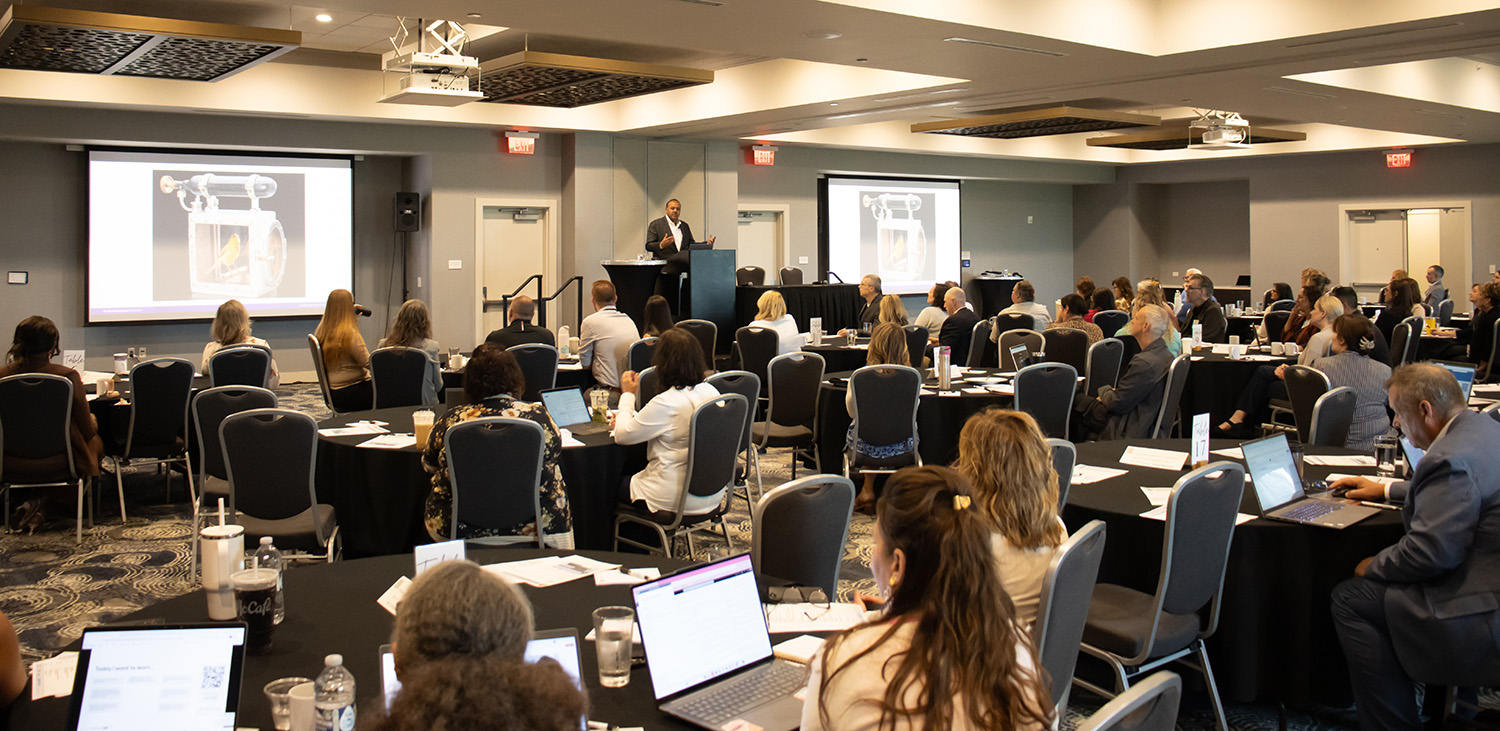 Attendees at WHA’s inaugural Caring for Wisconsin's Caregivers: 2026 WHA Healthcare Workforce Well-Being Summit
The summit brought together executives, clinical leaders, human resources professionals and workforce well-being staff to learn from nationally recognized experts and explore strategies that support a thriving health care workforce.
Keynote speaker Dr. Gaurava Agarwal, Vice President and Chief Wellness Executive at Northwestern Medicine and Professor of Psychiatry at Northwestern University Feinberg School of Medicine, encouraged attendees to look beyond individual solutions and focus on creating workplace environments where health care professionals can thrive. Drawing on practical examples from his experience at Northwestern Medicine, Dr. Agarwal highlighted approaches that can be adapted by organizations of any size, emphasizing that meaningful progress does not require significant financial investment. He described Northwestern's Scholars of Wellness program as the organization's "secret sauce" for building workforce well-being capacity from within, developing champions throughout the organization and equipping them with the skills to support colleagues, foster connection and advance a culture of well-being.
Dr. Agarwal added that organizations can build internal capacity by developing leaders, engaging caregivers throughout the workforce and empowering well-being ambassadors at every level. His message reinforced workforce well-being as a key component of the Quadruple Aim, linking caregiver well-being to improved patient experience, better outcomes, stronger organizational performance and a more sustainable health care system.
Additional perspectives from Dr. Sandra Carr-Johnson, Dr. Mike Stadler and Dr. Stef Simmons reinforced the connection between workforce well-being, organizational culture, patient experience and the long-term sustainability of health care. Through candid discussion and audience engagement, speakers explored the concepts of spheres of control, influence and acceptance, encouraging leaders to focus their energy on meaningful changes that are both feasible and impactful within their organizations. Dr. Carr-Johnson shared practical examples from North Carolina's work with the Dr. Lorna Breen Foundation, highlighting the value of bi-directional communication, peer learning and shared problem-solving through learning collaboratives. Together, the speakers emphasized that advancing workforce well-being is not about a single program or intervention, but about creating ongoing opportunities for leaders and frontline teams to learn, adapt and improve together.
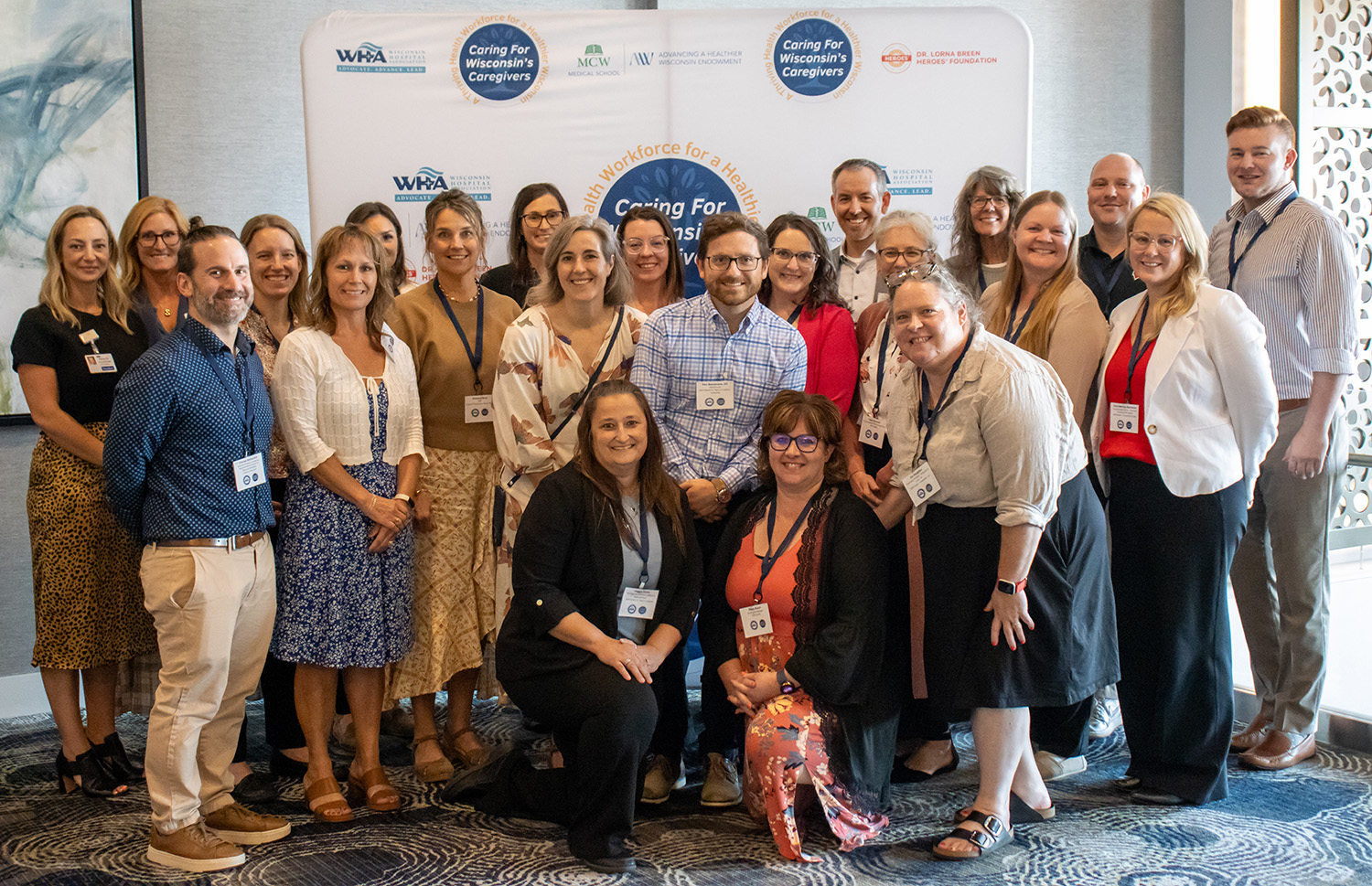 Wisconsin hospitals and health systems recognized as Wellbeing First Champions™ for advancing health workforce well-being through supportive credentialing, licensure and peer reference practices.
A recurring theme throughout the day was that workforce well-being is influenced by the workplace systems, cultures and environments in which health care professionals provide care. Speakers emphasized opportunities for leaders to strengthen those environments in ways that support caregivers, enhance patient experiences and contribute to organizational performance. Attendees were encouraged to "start where you are," recognizing that meaningful progress can begin by building on existing efforts and creating conditions that enable teams to flourish.
The summit celebrated Wisconsin becoming the third state in the nation to launch a statewide health care workforce well-being initiative in partnership with the Dr. Lorna Breen Foundation, and the first to deploy The Breen Scale™ statewide. As the official launch of Phase 2 of this effort, the summit highlighted opportunities for health care organizations to engage with resources designed to support and strengthen existing workforce well-being strategies. Through The Breen Scale™, participating organizations gain insight into their workforce well-being maturity and receive resources and support aligned with their individual priorities and goals. Organizations can join the initiative at any phase, with support available for credentialing and licensure review, The Breen Scale™, and learning collaboratives launching in early 2027. Through this effort, Wisconsin continues to lead the way in creating healthier workplaces for health care professionals and the patients they serve.
During the event, recognition was given to Wisconsin hospitals and health systems that have earned designation as Wellbeing First Champions™ through the Dr. Lorna Breen Foundation. This recognition reflects the important work completed during Phase 1 of Wisconsin's statewide initiative, which focused on reviewing credentialing, licensure and peer reference practices to remove intrusive mental health questions and reduce barriers to seeking care. Their accomplishments highlight the meaningful progress already underway across Wisconsin and reinforce the state's leadership in advancing health workforce well-being.
A special thank you to Dr. Gaurava Agarwal, Dr. Sandra Carr-Johnson of Cape Fear Valley Medical Group; Dr. Mike Stadler, Health Workforce Well-Being Landmark Initiative Champion of the Advancing a Healthier Wisconsin Endowment; and Dr. Stef Simmons, Chief Medical Officer of the Dr. Lorna Breen Foundation, for sharing their expertise, personal insights and commitment to advancing health workforce well-being. Their messages reinforced the importance of creating health care environments where health care professionals can thrive.
The strong turnout and engagement demonstrated Wisconsin health care's shared commitment to supporting the people who care for our patients and communities. By bringing national expertise together with local leadership, the summit provided participants with practical insights, new connections and proven approaches that can inform and strengthen workforce well-being efforts across organizations throughout the state.
To learn more about the Caring for Wisconsin's Caregivers initiative, available resources and opportunities to engage, visit the WHA Caring for Wisconsin's Caregivers: Health Workforce Well-Being webpage.
Caring for Wisconsin's Caregivers: WHA Workforce Well-Being Summit
Nearly 100 health care leaders from across Wisconsin gathered on Sept. 10 for the inaugural Caring for Wisconsin's Caregivers: 2026 WHA Health Care Workforce Well-Being Summit, marking the launch of Phase 2 of Wisconsin's statewide health care workforce well-being initiative.
Attendees at WHA’s inaugural Caring for Wisconsin's Caregivers: 2026 WHA Healthcare Workforce Well-Being Summit
The summit brought together executives, clinical leaders, human resources professionals and workforce well-being staff to learn from nationally recognized experts and explore strategies that support a thriving health care workforce.
Keynote speaker Dr. Gaurava Agarwal, Vice President and Chief Wellness Executive at Northwestern Medicine and Professor of Psychiatry at Northwestern University Feinberg School of Medicine, encouraged attendees to look beyond individual solutions and focus on creating workplace environments where health care professionals can thrive. Drawing on practical examples from his experience at Northwestern Medicine, Dr. Agarwal highlighted approaches that can be adapted by organizations of any size, emphasizing that meaningful progress does not require significant financial investment. He described Northwestern's Scholars of Wellness program as the organization's "secret sauce" for building workforce well-being capacity from within, developing champions throughout the organization and equipping them with the skills to support colleagues, foster connection and advance a culture of well-being.
Dr. Agarwal added that organizations can build internal capacity by developing leaders, engaging caregivers throughout the workforce and empowering well-being ambassadors at every level. His message reinforced workforce well-being as a key component of the Quadruple Aim, linking caregiver well-being to improved patient experience, better outcomes, stronger organizational performance and a more sustainable health care system.
Additional perspectives from Dr. Sandra Carr-Johnson, Dr. Mike Stadler and Dr. Stef Simmons reinforced the connection between workforce well-being, organizational culture, patient experience and the long-term sustainability of health care. Through candid discussion and audience engagement, speakers explored the concepts of spheres of control, influence and acceptance, encouraging leaders to focus their energy on meaningful changes that are both feasible and impactful within their organizations. Dr. Carr-Johnson shared practical examples from North Carolina's work with the Dr. Lorna Breen Foundation, highlighting the value of bi-directional communication, peer learning and shared problem-solving through learning collaboratives. Together, the speakers emphasized that advancing workforce well-being is not about a single program or intervention, but about creating ongoing opportunities for leaders and frontline teams to learn, adapt and improve together.
Wisconsin hospitals and health systems recognized as Wellbeing First Champions™ for advancing health workforce well-being through supportive credentialing, licensure and peer reference practices.
A recurring theme throughout the day was that workforce well-being is influenced by the workplace systems, cultures and environments in which health care professionals provide care. Speakers emphasized opportunities for leaders to strengthen those environments in ways that support caregivers, enhance patient experiences and contribute to organizational performance. Attendees were encouraged to "start where you are," recognizing that meaningful progress can begin by building on existing efforts and creating conditions that enable teams to flourish.
The summit celebrated Wisconsin becoming the third state in the nation to launch a statewide health care workforce well-being initiative in partnership with the Dr. Lorna Breen Foundation, and the first to deploy The Breen Scale™ statewide. As the official launch of Phase 2 of this effort, the summit highlighted opportunities for health care organizations to engage with resources designed to support and strengthen existing workforce well-being strategies. Through The Breen Scale™, participating organizations gain insight into their workforce well-being maturity and receive resources and support aligned with their individual priorities and goals. Organizations can join the initiative at any phase, with support available for credentialing and licensure review, The Breen Scale™, and learning collaboratives launching in early 2027. Through this effort, Wisconsin continues to lead the way in creating healthier workplaces for health care professionals and the patients they serve.
During the event, recognition was given to Wisconsin hospitals and health systems that have earned designation as Wellbeing First Champions™ through the Dr. Lorna Breen Foundation. This recognition reflects the important work completed during Phase 1 of Wisconsin's statewide initiative, which focused on reviewing credentialing, licensure and peer reference practices to remove intrusive mental health questions and reduce barriers to seeking care. Their accomplishments highlight the meaningful progress already underway across Wisconsin and reinforce the state's leadership in advancing health workforce well-being.
A special thank you to Dr. Gaurava Agarwal, Dr. Sandra Carr-Johnson of Cape Fear Valley Medical Group; Dr. Mike Stadler, Health Workforce Well-Being Landmark Initiative Champion of the Advancing a Healthier Wisconsin Endowment; and Dr. Stef Simmons, Chief Medical Officer of the Dr. Lorna Breen Foundation, for sharing their expertise, personal insights and commitment to advancing health workforce well-being. Their messages reinforced the importance of creating health care environments where health care professionals can thrive.
The strong turnout and engagement demonstrated Wisconsin health care's shared commitment to supporting the people who care for our patients and communities. By bringing national expertise together with local leadership, the summit provided participants with practical insights, new connections and proven approaches that can inform and strengthen workforce well-being efforts across organizations throughout the state.
To learn more about the Caring for Wisconsin's Caregivers initiative, available resources and opportunities to engage, visit the WHA Caring for Wisconsin's Caregivers: Health Workforce Well-Being webpage.
IN THIS ISSUE
- Legislative Committee Weighing Risks and Benefits of AI in Health Care
- Caring for Wisconsin's Caregivers: WHA Workforce Well-Being Summit
- Reminder: WHA Accepting Applications for Vice President, Workforce & Clinical Practice
- Wisconsin Hospitals State PAC & Conduit Surpasses $300,000
- In Memoriam: Leland "Lee" Olkowski
- Register for the Last 2026 RHeSUS Lunch & Learn on Substance Use Trends and Rural Health
EDUCATION EVENTS
Oct. 15, 2026
Substance Use Disorders Management Boot CampOct. 15, 2026
Culture College – Breakthrough Strategies for Creating and Sustaining a Magnetic CultureOct. 20, 2026
WIpop Virtual Training: Session 1