SSM Health Waupun Memorial Hospital - Waupun, 2025 Community Benefits
Child car seat safety check program fills need, provides education to community members
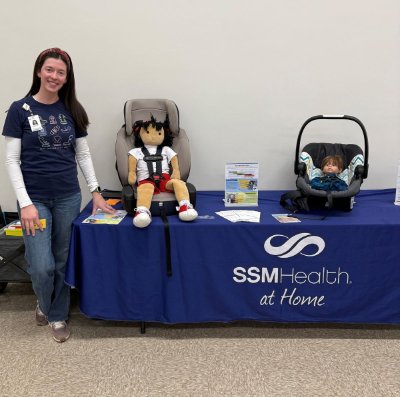
In Dodge County, a quiet revolution in child safety is underway - led by dedicated SSM Health employees, including Devan Nehls and Maria Vossekuil. Honored as Dodge County’s 2025 Citizens of the Year, their work goes far beyond recognition. It’s about saving lives. These efforts began in 2023, when this team partnered with the Fond du Lac Fire/Rescue team during a critical shortage of child car seats. What started as a response to an immediate need quickly evolved into a full-scale safety initiative. Moving forward to 2024, a partnership was created with Dodge County Sheriff’s Department, bringing resources to this local agency. Through tireless advocacy and collaboration, they secured funding to provide car seats to families in both Dodge and Fond du Lac counties. But the program isn’t just about distributing equipment - it’s about education. Hundreds of families, staff, and community partners have been trained in the proper use and installation of child safety seats. This knowledge is vital: improperly installed car seats are a leading cause of injury in vehicle accidents involving children. Thanks to their work, more than 100 families now have access to life-saving safety seats. These aren’t just numbers - they represent children who are safer every time they ride in a car, parents who can breathe easier, and communities that are stronger because of it.
As SSM Health expands its presence in Dodge County, the program continues to grow, forging new partnerships and reaching more families. The impact is clear: fewer injuries, more awareness, and a culture of safety that starts with the youngest members of the community.
As SSM Health expands its presence in Dodge County, the program continues to grow, forging new partnerships and reaching more families. The impact is clear: fewer injuries, more awareness, and a culture of safety that starts with the youngest members of the community.
New Waupun Community Center powered by partnerships
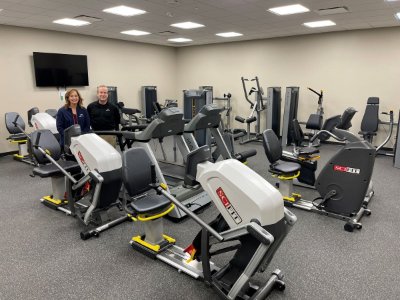
The City of Waupun and its residents are enjoying major development through its new $5.8 million Community Center, a vibrant hub designed to support residents across all stages of life. Funded in large part by a $4.9 million American Rescue Plan Act grant through the Wisconsin Department of Administration, the project also received more than $1 million in private donations, showcasing the power of community collaboration.
Among the key contributors are SSM Health and the Agnesian Healthcare Foundation, whose $125,000 sponsorship helped bring the center’s fitness facility to life. Their support reflects a shared commitment to improving health and wellness in rural communities.
“This partnership dates back to 2018, when the City of Waupun joined forces with SSM Health Waupun Memorial Hospital and was selected as one of three Wisconsin communities to receive planning and implementation grants from the UW School of Nursing and the Cargill Foundation,” according to DeAnn Thurmer, SSM Health Ripon Community Hospital/SSM Health Waupun Memorial Hospital president. “That initiative led to the formation of the Waupun Community Coalition on Aging, which played a pivotal role in shaping the center’s vision.”
Since its opening, SSM Health Waupun Memorial Hospital Cardiac/Pulmonary Rehab team members have started a monthly program to orient Community Center members on available exercise equipment and develop an exercise program. During these two-hour sessions, team members also review the benefits of exercise, hydration, proper lifting technique, and any other questions participants may have. SSM Health Community Benefits funds were also given to the Community Center for membership scholarships, for those that qualify.
"The Waupun Community Center, as well as other current initiatives around aging in this area, fits within our dedication as a strong partner in good health,” Thurmer shares. “This means that we’re constantly growing, searching for new ways to provide care, and extending our resources to the most vulnerable in our communities.”
Among the key contributors are SSM Health and the Agnesian Healthcare Foundation, whose $125,000 sponsorship helped bring the center’s fitness facility to life. Their support reflects a shared commitment to improving health and wellness in rural communities.
“This partnership dates back to 2018, when the City of Waupun joined forces with SSM Health Waupun Memorial Hospital and was selected as one of three Wisconsin communities to receive planning and implementation grants from the UW School of Nursing and the Cargill Foundation,” according to DeAnn Thurmer, SSM Health Ripon Community Hospital/SSM Health Waupun Memorial Hospital president. “That initiative led to the formation of the Waupun Community Coalition on Aging, which played a pivotal role in shaping the center’s vision.”
Since its opening, SSM Health Waupun Memorial Hospital Cardiac/Pulmonary Rehab team members have started a monthly program to orient Community Center members on available exercise equipment and develop an exercise program. During these two-hour sessions, team members also review the benefits of exercise, hydration, proper lifting technique, and any other questions participants may have. SSM Health Community Benefits funds were also given to the Community Center for membership scholarships, for those that qualify.
"The Waupun Community Center, as well as other current initiatives around aging in this area, fits within our dedication as a strong partner in good health,” Thurmer shares. “This means that we’re constantly growing, searching for new ways to provide care, and extending our resources to the most vulnerable in our communities.”