
Grant Regional Health Center - Lancaster, 2025 Community Benefits
Grant Regional Health Center - Diagnostic Stroke Care Initiative
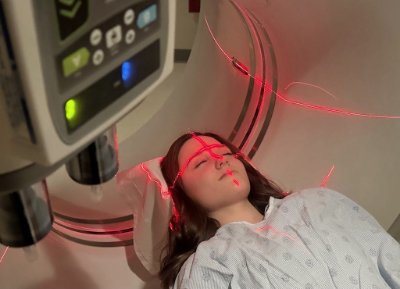
In 2024, Grant Regional Health Center (GRHC) launched a Diagnostic Stroke Care Improvement initiative to expedite care for patients presenting with stroke symptoms. The project emphasized collaboration between the Emergency Department, Radiology, Lab, and other key departments to reduce the critical time from ER arrival to CT scan. By streamlining patient flow, strengthening communication, and adopting new protocols, GRHC aimed to provide stroke patients with rapid diagnostic care and timely interventions that could significantly improve outcomes.
The urgency of this initiative was clear: every minute matters in stroke care. The American Heart Association estimates that 1.9 million brain cells are lost each minute an ischemic stroke goes untreated. With 87% of all strokes being ischemic, yet only 3–5% of patients nationwide receiving the clot-busting medication tPA within the optimal three-hour window, delays often lead to higher mortality, disability, and longer rehabilitation. Recognizing these sobering statistics, GRHC prioritized minimizing diagnostic delays to preserve brain function and save lives.
To address the challenge, GRHC created a dedicated stroke team consisting of ER, Radiology, and Lab staff. New workflows ensured patients arriving with stroke symptoms—whether by ambulance or private vehicle—were routed directly to CT. Stroke alert drills tested readiness, registration staff were trained to recognize early warning signs, and protocols were aligned with UW-Tele Stroke specialists to reflect best practices. Beyond hospital walls, GRHC extended education to EMS agencies in Lancaster, Cassville, and West Grant to improve coordination from the field.
Throughout 2024, quarterly activities advanced the initiative. In Q2, nurses completed training on the NIH Stroke Scale and neuro assessments, while additional drills reinforced rapid response. Stroke education expanded to EMS agencies in Fennimore and Potosi, and collaboration with UW-Tele Stroke neurologists highlighted process improvements. In Q3, UW specialists visited GRHC to provide hands-on education, including a live demonstration of the tele-stroke cart, further enhancing staff confidence. By Q4, the focus broadened to the community. GRHC hosted a public stroke education night featuring Dr. George, mock scenarios led by staff, and an in-person session with a UW neurologist. Community members gained a better understanding of stroke signs, symptoms, and the importance of timely care. Plans for future events reflect GRHC’s commitment not only to hospital-based improvement but also to empowering the community through education and awareness. The results were impressive. In Q1 2024, the average time from ER arrival to CT was 27 minutes. By Q2, that dropped to 11 minutes, with Q3 averaging 17.5 minutes. By Q4, GRHC achieved a remarkable average of just 6 minutes. For the year, the average was 15 minutes—exceeding the hospital’s annual goal of 25 minutes by a full 10 minutes.
These measurable results underscore the impact of teamwork, training, and process improvement, directly translating into faster care and better outcomes for patients across Grant Regional’s service area when every minute matters most.
The urgency of this initiative was clear: every minute matters in stroke care. The American Heart Association estimates that 1.9 million brain cells are lost each minute an ischemic stroke goes untreated. With 87% of all strokes being ischemic, yet only 3–5% of patients nationwide receiving the clot-busting medication tPA within the optimal three-hour window, delays often lead to higher mortality, disability, and longer rehabilitation. Recognizing these sobering statistics, GRHC prioritized minimizing diagnostic delays to preserve brain function and save lives.
To address the challenge, GRHC created a dedicated stroke team consisting of ER, Radiology, and Lab staff. New workflows ensured patients arriving with stroke symptoms—whether by ambulance or private vehicle—were routed directly to CT. Stroke alert drills tested readiness, registration staff were trained to recognize early warning signs, and protocols were aligned with UW-Tele Stroke specialists to reflect best practices. Beyond hospital walls, GRHC extended education to EMS agencies in Lancaster, Cassville, and West Grant to improve coordination from the field.
Throughout 2024, quarterly activities advanced the initiative. In Q2, nurses completed training on the NIH Stroke Scale and neuro assessments, while additional drills reinforced rapid response. Stroke education expanded to EMS agencies in Fennimore and Potosi, and collaboration with UW-Tele Stroke neurologists highlighted process improvements. In Q3, UW specialists visited GRHC to provide hands-on education, including a live demonstration of the tele-stroke cart, further enhancing staff confidence. By Q4, the focus broadened to the community. GRHC hosted a public stroke education night featuring Dr. George, mock scenarios led by staff, and an in-person session with a UW neurologist. Community members gained a better understanding of stroke signs, symptoms, and the importance of timely care. Plans for future events reflect GRHC’s commitment not only to hospital-based improvement but also to empowering the community through education and awareness. The results were impressive. In Q1 2024, the average time from ER arrival to CT was 27 minutes. By Q2, that dropped to 11 minutes, with Q3 averaging 17.5 minutes. By Q4, GRHC achieved a remarkable average of just 6 minutes. For the year, the average was 15 minutes—exceeding the hospital’s annual goal of 25 minutes by a full 10 minutes.
These measurable results underscore the impact of teamwork, training, and process improvement, directly translating into faster care and better outcomes for patients across Grant Regional’s service area when every minute matters most.