
Health Care Quality Resource Center
Health Care Quality Resource Center
We’re excited to offer you a dedicated space to find up-to-date information on quality and patient safety resources, tools, educational opportunities such as webinars, information on events, news and updates from the WHA Chief Quality Officer, Quality Director, Quality Managers and more!
Resources by Initiatives








Advanced Search
Video
Mar. 9, 2026
Strengthening Demographic Data Collection – Poster Presentation
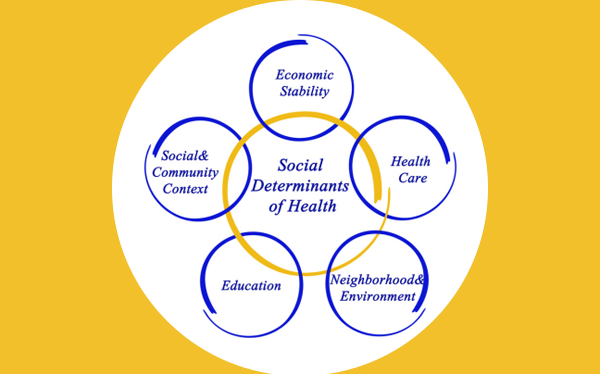
The IDEA Poster is a quick reference visual tool that reinforces the importance of collecting accurate, patient reported demographic data to advance health equity. It highlights why demographic data matters and outlines what information is collected, including REaL and SOGI data.
StaffResourcesVideo
Mar. 9, 2026
Strengthening Demographic Data Collection - PowerPoint Presentation
This IDEA PowerPoint presentation equips staff with the knowledge and confidence to collect Race, Ethnicity, and Language (REaL) and Sexual Orientation and Gender Identity (SOGI) information sensitively and respectfully. It explains why accurate, patient reported demographic data is essential for identifying disparities, improving care, and advancing health equity, and provides practical guidance on how to introduce these questions.
StaffResourcesFeb. 27, 2026
Top Ten ED Dental Diagnoses that May Not Require Antibiotics
Wisconsin Hospital Association
Feb. 10, 2026
Panel Discussion with Champions that Lead the 4Ms Implementation
Wisconsin Hospital Association
Jan. 6, 2026
Implementing the Age-Friendly 4Ms Framework
Age-Friendly Health Systems aim to: Follow an essential set of evidence-based practices; Cause no harm; and Align with What Matters to the older adult and their family caregivers.
Document
Oct. 28, 2025
CMS Age Friendly Measure Completion Checklist
Age-Friendly Health Systems aim to: Follow an essential set of evidence-based practices; Cause no harm; and Align with What Matters to the older adult and their family caregivers.
AgeFriendlySystemOfCareArticle
Dec. 28, 2024
Early Clinical and Quality Impacts of the Age-Friendly Health System in a Veterans Affairs Skilled N
Age-Friendly Health Systems aim to: Follow an essential set of evidence-based practices; Cause no harm; and Align with What Matters to the older adult and their family caregivers.
AgeFriendlySystemOfCare