Click here to view past issues
IN THIS ISSUE
- President’s Column: Hospitals See Modest Gains in Latest Fiscal Data, But Cautious on Road Ahead
- WHA, UW Health Testify in Support of Bipartisan Prompt-Pay Discount Legislation
- Don’t Delay Registering for the 2026 Physician Leadership Development Conference
- Age-Friendly Webinar Series Featuring Advocate Health
EDUCATION EVENTS
Oct. 20, 2026
WIpop Virtual Training: Session 1Oct. 20, 2026
WHA 2026 Wisconsin Health Care Workforce Webinar SeriesOct. 20, 2026
Risk Management FundamentalsClick here to view education event calendar
View more issues of The Valued Voice
Sign Up for WHA's Newsletter


WHA, UW Health Testify in Support of Bipartisan Prompt-Pay Discount Legislation
On Jan. 8, WHA Vice President of Medicaid & Payer Reimbursement Policy Christian Moran and UW Health System Vice President of Revenue Cycle Abby Abongwa testified in support of WHA-championed legislation that would clarify Wisconsin law to clearly give Wisconsin hospitals and other health care providers the option to offer discounts to patients who pay their bills in a timely manner.
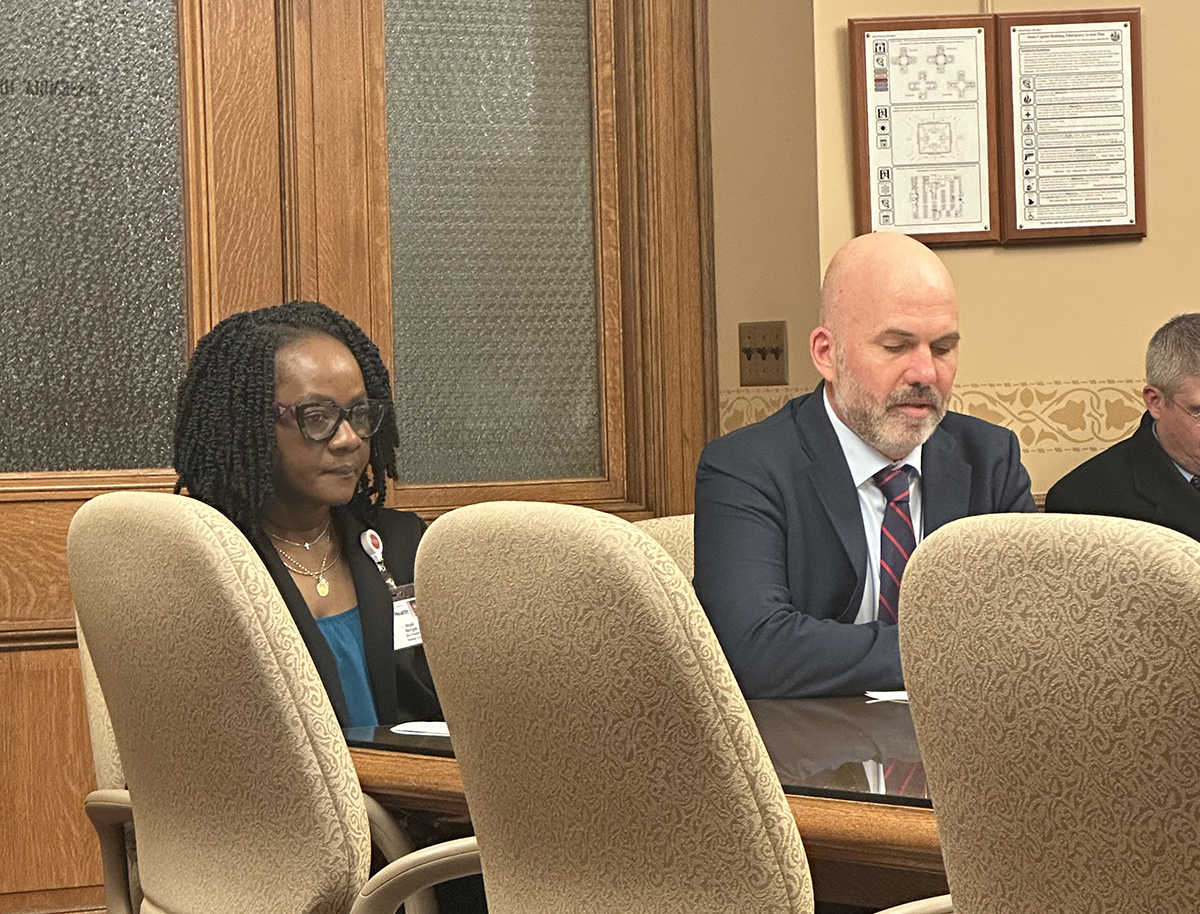 Abby Abongwa and Christian MoranAuthored by Rep. Clint Moses (R-Menomonie), Sen. Rachael Cabral-Guevara (R-Fox Crossing) and a bipartisan group of legislators, Assembly Bill 819 would clarify in Wisconsin law the ability for health care providers to offer prompt-pay discounts to patients on cost-sharing amounts, such as insurer coinsurance and deductibles, under certain conditions.
"Assembly Bill 819 will help save money for both patients and providers," said Moran in his testimony before the Assembly Committee on Insurance.
“A common-sense approach to reduce overall costs for both patients and providers is to recognize that a health care provider can discount the amount that is owed by a patient when the patient pays their bill promptly,” said Moran. “The provider would offer the discount to encourage the patient to pay the bill timely and to allow the provider to avoid collection costs.”
As health insurance companies shift more of their financial responsibility on to patients through higher deductibles, co-pays and other out-of-pocket expenses, as well as on to providers through prior authorization and other costly administrative processes, Rep. Moses highlighted the significant impact these practices by insurers and other middlemen have on the overall cost of health care.
“The administrative cost associated with delivering health care now accounts for 40% of overall hospital or health systems costs, according to a report from the American Hospital Association,” said Rep. Moses. “These are costs that are borne by providers but ultimately paid by patients, as providers must hire staff and invest in software systems that help them collect amounts owed by insurance companies and patients.”
Abongwa shared data with the committee from the Kaiser Family Foundation, a nonpartisan health policy research firm, showing that 88% of workers with single coverage in an employer-sponsored health plan faced a general average annual deductible of almost $1,900 in 2025 before most services are paid for, an increase from past years.
“At UW Health, we believe it is not only in the best interest of patients paying for a higher percentage of their health care but also in the best interest of our health system to find ways to make care more affordable,” said Abongwa, who has 30 years of experience working in health care administration.
"When weighing whether to offer prompt-pay discounts to their patients, Wisconsin hospitals and other providers have had to consider a web of federal and state laws, guidance and other factors," said Moran.
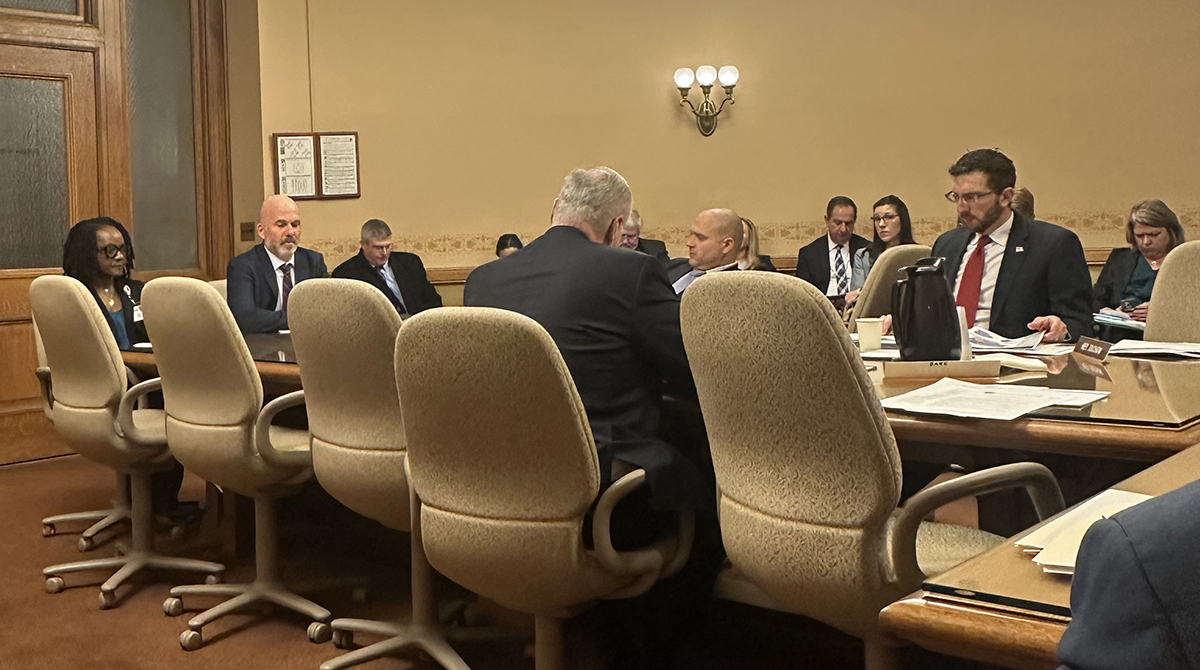 Jan. 8, 2026 Prompt Pay Assembly hearing
Assembly Bill 819 would create legal certainty around these legal and regulatory issues by clarifying in state law when providers can offer patients a discount and under what conditions, while also conforming with federal requirements and guidance relating to prompt pay discounts.
WHA, UW Health Testify in Support of Bipartisan Prompt-Pay Discount Legislation
On Jan. 8, WHA Vice President of Medicaid & Payer Reimbursement Policy Christian Moran and UW Health System Vice President of Revenue Cycle Abby Abongwa testified in support of WHA-championed legislation that would clarify Wisconsin law to clearly give Wisconsin hospitals and other health care providers the option to offer discounts to patients who pay their bills in a timely manner.
Abby Abongwa and Christian MoranAuthored by Rep. Clint Moses (R-Menomonie), Sen. Rachael Cabral-Guevara (R-Fox Crossing) and a bipartisan group of legislators, Assembly Bill 819 would clarify in Wisconsin law the ability for health care providers to offer prompt-pay discounts to patients on cost-sharing amounts, such as insurer coinsurance and deductibles, under certain conditions.
"Assembly Bill 819 will help save money for both patients and providers," said Moran in his testimony before the Assembly Committee on Insurance.
“A common-sense approach to reduce overall costs for both patients and providers is to recognize that a health care provider can discount the amount that is owed by a patient when the patient pays their bill promptly,” said Moran. “The provider would offer the discount to encourage the patient to pay the bill timely and to allow the provider to avoid collection costs.”
As health insurance companies shift more of their financial responsibility on to patients through higher deductibles, co-pays and other out-of-pocket expenses, as well as on to providers through prior authorization and other costly administrative processes, Rep. Moses highlighted the significant impact these practices by insurers and other middlemen have on the overall cost of health care.
“The administrative cost associated with delivering health care now accounts for 40% of overall hospital or health systems costs, according to a report from the American Hospital Association,” said Rep. Moses. “These are costs that are borne by providers but ultimately paid by patients, as providers must hire staff and invest in software systems that help them collect amounts owed by insurance companies and patients.”
Abongwa shared data with the committee from the Kaiser Family Foundation, a nonpartisan health policy research firm, showing that 88% of workers with single coverage in an employer-sponsored health plan faced a general average annual deductible of almost $1,900 in 2025 before most services are paid for, an increase from past years.
“At UW Health, we believe it is not only in the best interest of patients paying for a higher percentage of their health care but also in the best interest of our health system to find ways to make care more affordable,” said Abongwa, who has 30 years of experience working in health care administration.
"When weighing whether to offer prompt-pay discounts to their patients, Wisconsin hospitals and other providers have had to consider a web of federal and state laws, guidance and other factors," said Moran.
Jan. 8, 2026 Prompt Pay Assembly hearing
Assembly Bill 819 would create legal certainty around these legal and regulatory issues by clarifying in state law when providers can offer patients a discount and under what conditions, while also conforming with federal requirements and guidance relating to prompt pay discounts.
IN THIS ISSUE
- President’s Column: Hospitals See Modest Gains in Latest Fiscal Data, But Cautious on Road Ahead
- WHA, UW Health Testify in Support of Bipartisan Prompt-Pay Discount Legislation
- Don’t Delay Registering for the 2026 Physician Leadership Development Conference
- Age-Friendly Webinar Series Featuring Advocate Health
EDUCATION EVENTS
Oct. 20, 2026
WIpop Virtual Training: Session 1Oct. 20, 2026
WHA 2026 Wisconsin Health Care Workforce Webinar SeriesOct. 20, 2026
Risk Management Fundamentals